The five fitness trends reshaping 2026 are Japanese walking (interval-based walking workouts), community-based training, advanced wearable technology with AI integration, recovery as a scheduled priority, and mind-body fitness integration.
Keep reading to understand exactly how each trend works and how you can apply them to your own routine.
Japanese Walking Takes Center Stage
Japanese walking has become the breakout fitness phenomenon of 2026.
This structured walking method alternates between high and low intensity intervals, and it's captured attention for good reason—search interest has jumped 2,968% year-over-year, making it the fastest-growing trend in the fitness space.
The approach isn't new. Researchers at Shinshu University developed it back in 2007, but social media recently brought it mainstream.
What makes it different from your typical walk around the block? The intervals push your cardiovascular system in ways that steady-paced walking simply can't match.
Here's how you do it:
- Walk fast for 3 minutes at 70-85% of your maximum heart rate
- Slow down for 3 minutes to 40-50% of your maximum heart rate
- Repeat this pattern 5 times for a complete 30-minute session
- Aim for at least 4 days per week
You'll know you're hitting the right intensity during fast intervals when holding a conversation becomes difficult.
When you slow down, your breathing should return to a comfortable level before the next fast interval begins.
The research backing this method is solid.
People following this protocol show improved aerobic capacity beyond what steady-state walking delivers.
Blood pressure drops an average of 10 points for men and 8 points for women.
You'll also build leg muscle strength and endurance while burning more fat compared to regular walking.
Long-term studies tracking participants over 10 years confirm these benefits stick around.
Getting started requires minimal investment.
You can walk outdoors on any smooth surface or use a treadmill if you prefer.
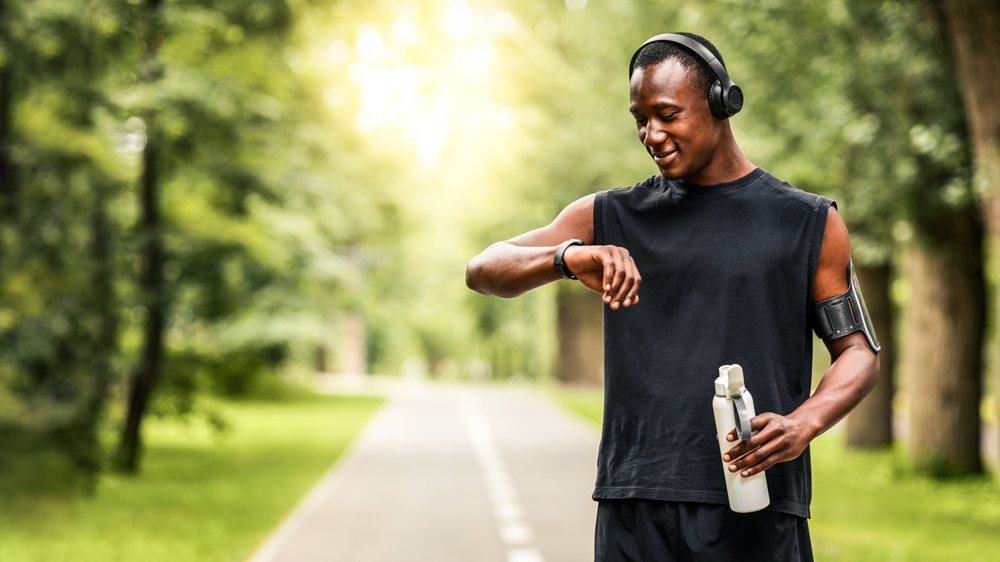
All you need are supportive shoes and a timer or fitness watch to track your intervals.
No gym membership, no special equipment, no complicated setup—just you and a structured approach that transforms an everyday activity into a legitimate training method.
Community-Based Training Replaces Solo Workouts
Working out alone is losing ground to group exercise, and the shift represents more than just a passing preference.
Fitness has fundamentally moved from an individual pursuit to a communal experience, with 20% of people now citing exercise as their primary way to stay socially connected.
The social benefits extend beyond just having workout buddies.
Among people who train in fitness communities, 52% report improved social lives and 46% experience reduced loneliness.
These aren't small quality-of-life gains—they're addressing real social needs that many people struggle to meet through other channels.
The performance advantages are equally compelling:
- 56% maintain better consistency when working out socially
- 57% report feeling more motivated
- 54% exercise more regularly than when training alone
Group dynamics create built-in accountability that individual training can't replicate.
When someone expects you to show up, dropout rates plummet.
When you're surrounded by people putting in effort, your own motivation gets a natural boost.
You have multiple practical options for tapping into this trend.
Running clubs have surged in popularity and typically offer free outdoor workouts with coaching included.
Recreational sports leagues—think pickleball, padel, or basketball—combine exercise with genuine social interaction rather than just parallel sweating.
Structured fitness events like Hyrox competitions, 5K races, or gym-hosted challenges give you concrete goals to train toward with others.
Technology plays a supporting role here too.
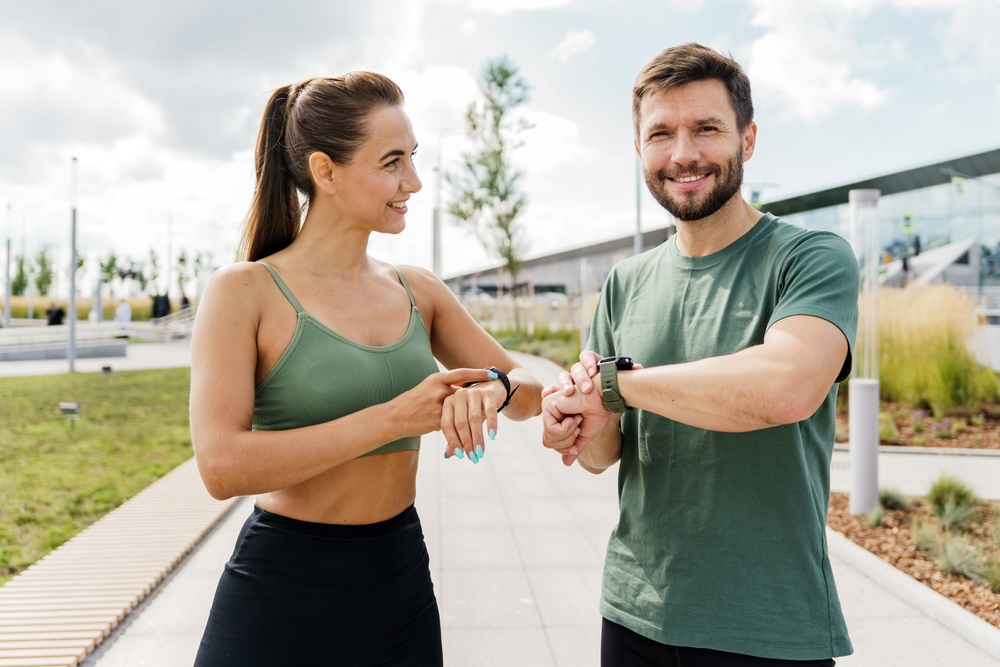
Fitness apps with social features let groups compete, share progress, and motivate each other even when you can't train together physically.
Partner-based workouts take a simpler approach, pairing two people who alternate exercises and provide encouragement in real time.
The fitness industry has noticed this shift.
Gyms are transforming into “third places” beyond home and work, adding juice bars, co-working spaces, and extended lounge areas specifically designed to encourage members to socialize before and after workouts.
They're betting that people will stick with memberships when the gym serves social needs alongside fitness ones—and the data suggests they're right.
Wearable Technology Delivers Clinical-Grade Health Insights
The American College of Sports Medicine ranks wearable technology as the #1 overall fitness trend for 2026.
Nearly half of U.S. adults now own a fitness tracker or smartwatch, and the technology has evolved far beyond counting steps.
Today's wearables deliver clinical-grade health monitoring that was confined to medical facilities just a few years ago.
They track heart rhythm with ECG readings, monitor blood pressure, measure blood glucose levels through continuous glucose monitors that are becoming mainstream, assess skin temperature, analyze heart rate variability for recovery insights, detect falls and crashes, break down sleep quality by REM stages, and monitor blood oxygen levels.
The device landscape has matured into specialized tools for different needs.
Whoop 5.0 focuses intensely on recovery metrics, strain, and sleep patterns.
Apple Watch Ultra 3 covers multisport tracking with GPS and a broad range of health metrics.
Oura Ring Gen 4 offers discreet sleep and readiness tracking for people who don't want something on their wrist.
The Garmin Forerunner series delivers performance metrics and real-time coaching tailored for endurance athletes.
Smart rings have entered the market with gesture controls and haptic feedback, expanding what wearable tech can do.
What separates 2026 wearables from earlier generations is AI integration that provides real-time pattern recognition.
These devices now detect precursors to illness or excessive stress before you feel symptoms.
Instead of dumping raw data on you, they translate biometrics into actionable guidance—messages like “your body needs rest today” or “optimal time for high-intensity training” that you can act on immediately.
The adoption goes beyond ownership to actual use.
Over 70% of wearable users now rely on their data to inform exercise and recovery strategies.
The key to getting value from these devices is learning to interpret metrics like heart rate variability.
Higher HRV scores indicate your body is ready for intense training, while lower scores suggest you need recovery time.
When you adjust workout intensity based on these signals rather than pushing through regardless of what your body is telling you, you reduce injury risk and improve long-term performance.
Recovery Becomes a Scheduled Priority
Recovery has transitioned from something you do when you're sore to a scheduled appointment in your weekly routine.
Data from Whoop users shows people actively tracking recovery activities that include cold showers, stretching, massage therapy, sauna sessions, breathwork, ice baths, and meditation—treating these practices with the same intentionality they bring to their workouts.
This shift makes sense when you look at what recovery actually does.
It prevents overtraining and burnout, enhances muscle adaptation and growth, reduces injury risk significantly, improves long-term consistency and performance, and supports nervous system regulation.
Skipping recovery doesn't make you tougher—it makes you more likely to plateau or get hurt.
Evidence-based recovery methods have clear protocols:
Infrared saunas increase blood flow and reduce muscle soreness.
Sessions typically run 15-30 minutes at temperatures around 120-140°F.
Contrast therapy alternates between heat and cold to reduce inflammation—15 minutes in a sauna followed by 3 minutes in an ice plunge, repeated for 2-3 cycles.
Percussion massage devices like Theragun provide deep tissue work that's most effective when used for 2-3 minutes on major muscle groups within 24 hours after your workout.
Compression therapy uses pneumatic compression devices that enhance circulation and reduce swelling.
Sleep optimization has become more sophisticated as wearables track sleep architecture—deep sleep, REM, and light sleep stages—with specific recommendations for improving quality through timing adjustments, environment changes, and pre-sleep routines.
This isn't vague advice about “getting more sleep” but data-driven guidance tailored to your patterns.
Mobility work deserves its own mention because it's growing as a standalone practice separate from strength training.
Dedicated sessions for stretching, foam rolling, and movement quality are becoming standard.
The emerging concept of “mobility flow” combines dynamic stretching with mindful movement, giving you flexibility benefits while keeping you mentally present.
Fitness professionals now recommend treating recovery as a scheduled weekly appointment rather than something you squeeze in only when soreness forces the issue.
Many gyms have responded by offering recovery-specific memberships or dedicated recovery rooms with specialized equipment, recognizing that people will pay for structured recovery the same way they pay for training.
Mind-Body Integration Defines Modern Fitness
The line between physical fitness and mental wellness has disappeared in 2026.
A national survey reveals that 78% of exercisers cite mental or emotional well-being as their top reason for working out—ahead of physical fitness or appearance goals.
This isn't just a preference shift; it's changing how workouts are designed and delivered.
Exercise is increasingly prescribed for anxiety, depression, and stress management, with workouts incorporating mindfulness practices, breathwork, and nervous system regulation techniques as standard components rather than add-ons.
Somatic practices that focus on the mind-body connection have gained real traction.
These include breathwork and pranayama classes for stress reduction and mental clarity, sound therapy using gongs, tuning forks, or singing bowls, body scanning and awareness exercises, and trauma-informed movement approaches that acknowledge how past experiences affect how we move.
Functional fitness has taken center stage over aesthetic-focused training.
The emphasis is on real-world movements—squats, lunges, carries, rotational movements—that improve daily life activities, prevent falls, and maintain independence as you age.
This isn't about looking good in the mirror; it's about moving well in life.
Balance and core work have seen explosive growth.
Reformer Pilates search interest jumped 750%, while yoga, barre, and core strength training have all experienced renewed momentum.
The “plank hover” ranked third in trending exercises, reflecting increased interest in stability and postural strength rather than just building bigger muscles.
Neuroplasticity training represents where physical and cognitive fitness converge.
These workouts combine physical exercise with cognitive challenges to improve brain function.
Activities that require coordination, balance, and mental focus simultaneously—think dance-based workouts or agility drills—strengthen neural pathways in ways that pure strength training or pure cardio can't match.
You can integrate these principles into your routine through specific tactics:
- Start workouts with 2-3 minutes of breathwork or meditation to shift your nervous system into the right state
- Include balance exercises on single leg or unstable surfaces during your training sessions
- Try “walking yoga,” which has seen 2,414% growth in search interest and combines walking with mobility, posture work, and mindful breathing
- Schedule weekly sessions focused purely on mobility, flexibility, and mind-body awareness separate from your strength or cardio work
- Use HRV training to learn to regulate your stress response in real-time
These approaches make fitness more inclusive across age groups and abilities.
Programs labeled as “active aging,” “low intensity,” or “functional” see higher participation from older adults who appreciate the practical focus.
Younger demographics are drawn to the same practices for mental health benefits, creating shared spaces where different generations train together with different goals but similar methods.
Conclusion
These five trends represent a fundamental shift in how people approach fitness—from isolated, aesthetic-focused training to connected, holistic practices that serve both body and mind.
You don't need to adopt all of them at once, but each offers practical ways to improve how you train and recover. Pick one that addresses your biggest gap and start there.